£11.50
In stock
Adding to the basket reserves nothing yet. You send a request, we confirm, then we send payment details - no card details are taken on this site.
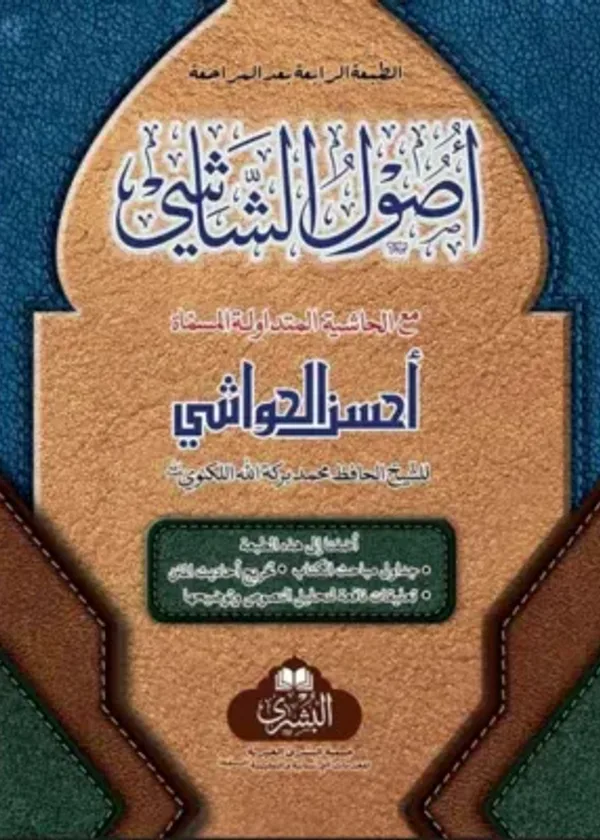
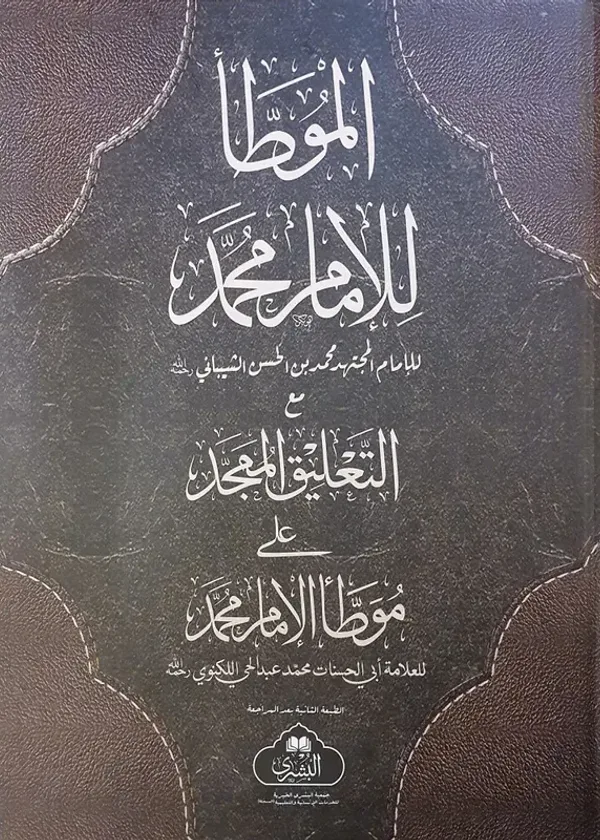
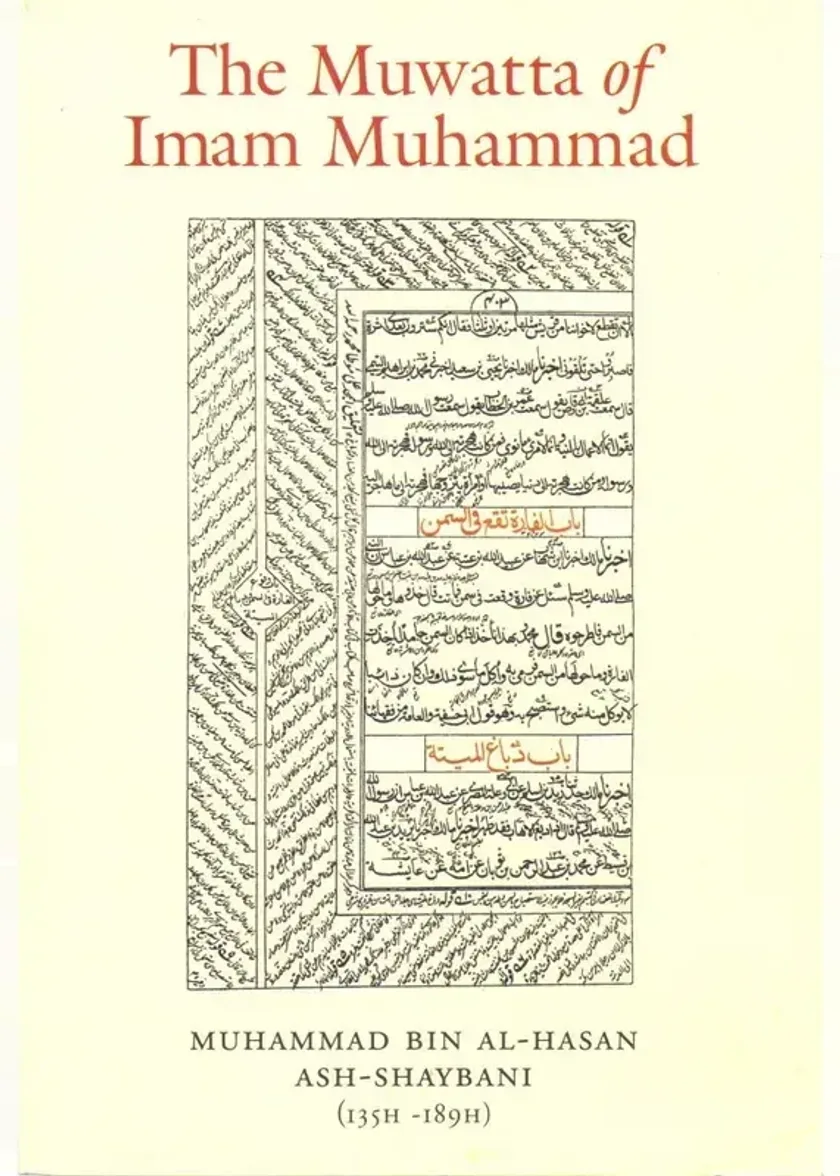
The Muwatta of Imām Muḥammad
“The unqualified truth is that all of the Muwatta is ṣaḥīḥ without any exception!”
- Ḥāfiẓ Ibn Ḥajar al-ʿAsqalānī
A testimony of this magnitude-coming from one of the greatest ḥadīth authorities in Islamic history-is sufficient recommendation in itself. The recension of the Muwattaʾ narrated by Imām Muḥammad ibn al-Ḥasan al-Shaybānī, one of the foremost students of Imām Abū Ḥanīfah, is especially valuable. Drawn from his three years of direct study with Imām Mālik, it holds particular significance not only for students of Ḥanafī jurisprudence but also for serious students of ḥadīth more broadly.
Imām Mālik compiled the Muwattaʾ over forty years to capture the “well-trodden path” (al-ṭarīq al-muwattaʾ) of the people of Madinah. Its title also carries the meaning of a text “agreed upon repeatedly”-a book whose contents reflected the consensus and lived practice of Madinah and which was made clear and accessible.
Its lofty status is universally acknowledged: scholars of every school of fiqh and all major imams of ḥadīth agree on its exceptional authenticity. Imām al-Shāfiʿī stated: “There is no book on the face of the earth-after the Book of Allah-more authentic than the book of Mālik.” Shah Walī Allāh al-Dihlawī (1114-1176 AH) similarly affirmed, “My heart opened, and I became convinced that the Muwattaʾ is the most authentic book on earth after the Book of Allah.”
Imām Mālik-leader of the scholars of Madinah and “the scholar of the scholars”-was Mālik ibn Anas ibn Mālik ibn Abī ʿĀmir al-Aṣbaḥī al-Madanī. Born in 94, 95, or 99 AH, he was widely recognised as the “Man of Knowledge of Madinah,” whom many early scholars believed the Prophet ﷺ referred to in the ḥadīth of Abū Hurayrah:
“People will travel far in search of knowledge, but they will not find anyone more knowledgeable than the scholar of Madinah.”
Among his distinguished students were Sufyān al-Thawrī; Saʿīd ibn Manṣūr; ʿAbdullāh ibn al-Mubārak; al-Awzāʿī; Layth ibn Saʿd; Imām al-Shāfiʿī; Muḥammad ibn al-Ḥasan al-Shaybānī; and leading Mālikīs such as Ibn al-Qāsim, Yaḥyā ibn Yaḥyā al-Laythī, Ibn Wahb, and Dhū al-Nūn al-Miṣrī. Imām Mālik passed away in 179 AH on the morning of the 14th of Rabīʿ al-Awwal.
Abū ʿAbdullāh Muḥammad ibn al-Ḥasan ibn Farqad al-Shaybānī was born in Wāsiṭ in 132 AH and raised in Kufa. A direct disciple of Imām Abū Ḥanīfah, he later became one of the principal architects of the Ḥanafī school. Imām al-Shāfiʿī said of him: “I have never seen anyone more eloquent than him; when he recited the Qurʾān, it was as though the Qurʾān had been revealed in his language.” He also stated, “I have not seen anyone more intelligent than Muḥammad ibn al-Ḥasan.”
Al-Dhahabī described him as “an ocean of knowledge and jurisprudence,” noting his precision in narrating from Imām Mālik. Imām Muḥammad himself said: “I stood at the door of Mālik for three years and heard the Muwattaʾ from him-over seven hundred ḥadīth.” He passed away in Rayy in 189 AH.
In stock
In stock
In stock
In stock
In stock
In stock